Natural Behavior
Birds have room to scratch, peck, forage, dust-bathe, and move through their day with more choice.
Why pasture-raised?
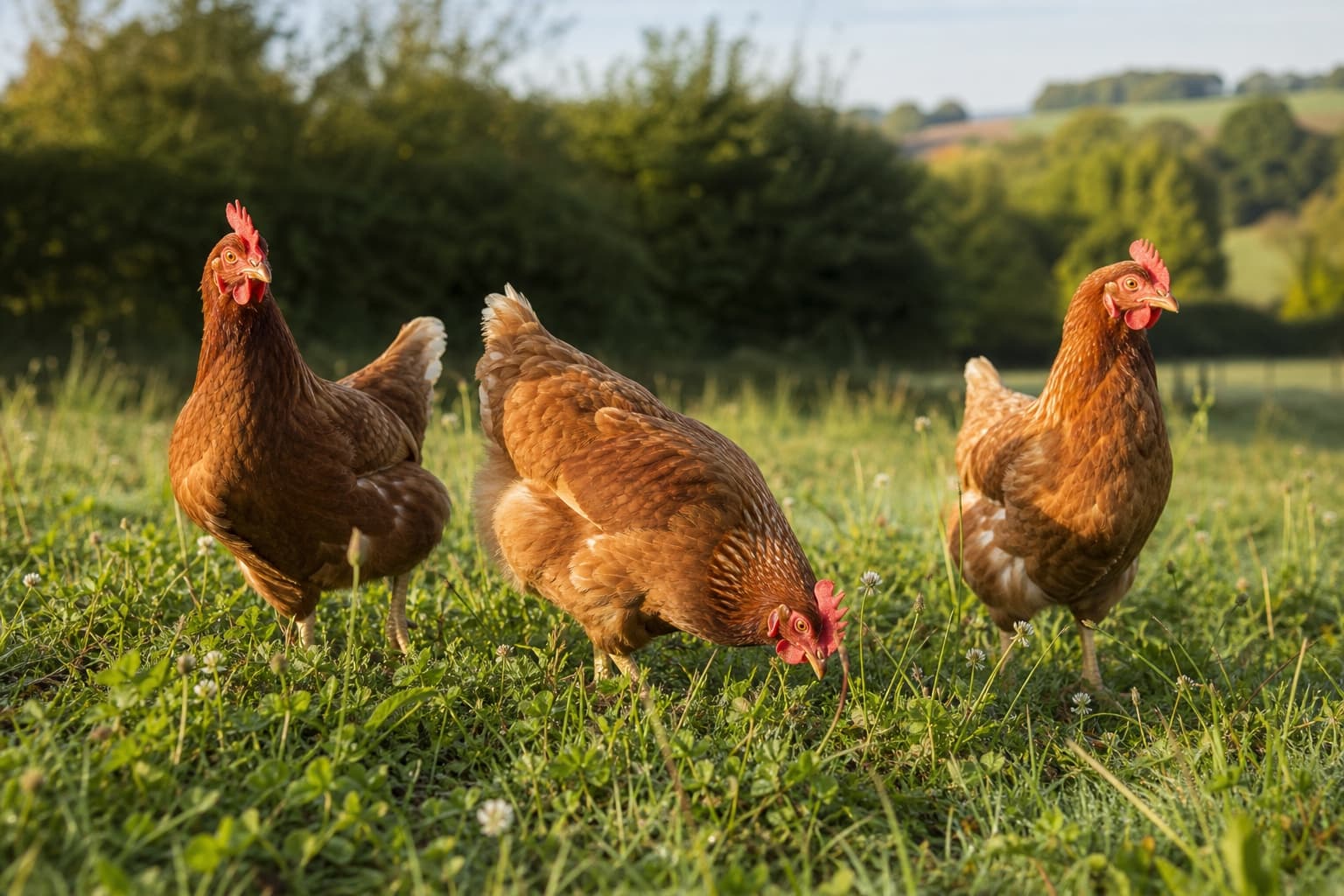
Pasture-raised is more than an outdoor photo. It is a daily management choice that gives poultry space, fresh air, natural stimulation, and a living landscape to explore.
The difference
When birds can move, forage, dust-bathe, explore, and rest outdoors, animal care becomes connected to land care. Thoughtful management is still essential—pasture alone is not a guarantee—but it creates the conditions for healthier behavior and a more transparent food system.
The pasture principles
Birds have room to scratch, peck, forage, dust-bathe, and move through their day with more choice.
Outdoor access brings ventilation, daylight, changing weather, and a more stimulating environment.
Regular moves help protect pasture, spread nutrients, and give grazed areas time to recover.
Pasture systems require observation. Shade, water, shelter, and ground conditions are checked every day.
Animals and acres
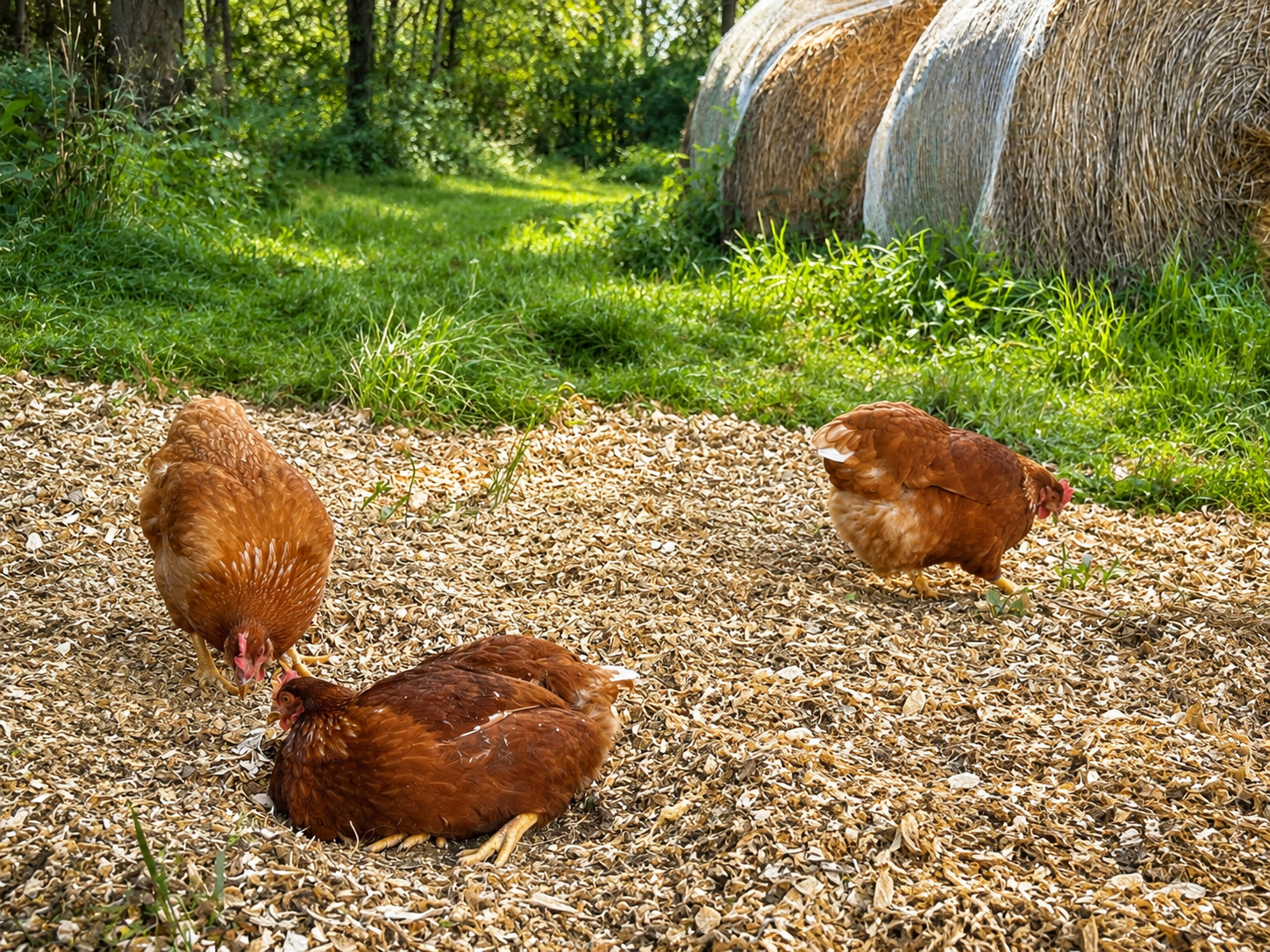
Poultry naturally scratch and forage. Managed carefully, that activity can help cycle nutrients and add organic matter without leaving one area overused.
We adjust movement to rainfall, heat, forage, flock size, and soil conditions. The goal is a practical balance: healthy animals today and resilient pasture for the seasons ahead.
Movement instead of permanent concentration
Recovery time for recently grazed ground
Shade, shelter, feed, and clean water alongside forage
What it means in practice
Point of comparison
Our pasture-based approach
A primarily indoor baseline
Daily environment
Outdoor access with forage, sunlight, weather, and varied ground
Primarily indoor baseline
Primarily indoor housing with a more controlled environment
Natural behavior
More opportunity to scratch, peck, roam, and dust-bathe
Primarily indoor baseline
Behavior depends heavily on indoor space and enrichment
Land relationship
Animal impact is actively managed across living ground
Primarily indoor baseline
Feed and manure systems are generally separated from pasture
Farm management
Frequent moves and weather-responsive daily decisions
Primarily indoor baseline
Greater environmental control with less outdoor variability
Farming systems vary. This comparison describes broad management differences and is not a claim about every individual farm.
Good to know
No. Poultry are omnivores and need balanced feed in addition to what they forage. Pasture adds variety and supports natural behavior; it does not replace complete nutrition. In addition to what they forage, we feed our birds a non-GMO grain-based diet with no animal byproducts, no antibiotics, and no hormones, supplied by a local feed mill.
Animal welfare comes first. Birds need appropriate shelter, shade, dry bedding, and protection when conditions are unsafe or extreme.
The terms can be used differently. We describe our actual practices so customers can understand the outdoor access and daily management behind the label.
It often requires more land, more frequent moves, smaller batches, and more hands-on labor. The price reflects that added care and limited seasonal scale.